In Brief
A California wrongful death claim is brought by statutory heirs or dependents under Code of Civil Procedure §377.60 when a wrongful act causes death. Damages categories are defined by statute and differ from a survival action under §377.34, which addresses harms the decedent could have recovered had they lived, such as pre-death pain and suffering in qualifying cases. Wrongful death recoveries may include funeral expenses, lost financial support, and loss of companionship for qualifying claimants as authorized by current law. Medical malpractice deaths may implicate MICRA caps on non-economic damages. Limitations periods generally include two years from death for many negligence claims, but government defendants often require a six-month administrative claim, and malpractice has specialized rules. Not every grieving relative has standing; confirm eligibility before accepting insurer releases.
First Steps After a Death
- Obtain certified death certificates. Multiple copies are needed for insurance, probate, and litigation.
- Confirm heir standing early. Spouses, domestic partners, children, and certain dependents qualify; other relatives may not.
- Avoid signing insurer releases before counsel review. Broad releases can waive unknown defendants and survival claims.
- Preserve evidence from the underlying incident. Crash reconstruction, medical records, and security video remain critical.
- Calendar government claims within six months when public entities may be liable. Missing administrative windows ends many claims.
- Coordinate probate and wrongful death counsel. Minors’ shares and estate issues intersect with distribution.
- Document financial dependency. Tax returns, pay stubs, and household expense records support economist models.
- Limit public statements about fault. Social media posts are discovery fodder for comparative fault themes.
- Identify all insurance towers. Auto, umbrella, commercial, medical malpractice, and UM policies require mapping.
- Seek grief support while counsel handles legal clocks. Statutes do not pause for mourning; delegate deadline tracking to counsel.
Why Wrongful Death Cases Require Gentle Precision
Wrongful death cases in Los Angeles County arise from freeway pileups, medical errors at major hospital systems, elder neglect in care facilities, workplace third-party incidents, and violent assaults. Families face funeral costs, lost household income, and grief that no statute fully captures. California limits who may sue: statutory heirs under CCP §377.60, not every relative who mourns.
Insurers approach fatal claims with early settlement scripts before the financial footprint is understood. Government defendants, MICRA caps in malpractice, and low auto limits complicate recovery. KTL represents qualifying families with dignity while building economist-supported loss models and trial-ready liability narratives.
Results
-
$650,000
Decedent husband and father was recovering from a total knee replacement post-operatively at the treating hospital.
-
$1 Million
At trial, Plaintiff wife won $1,000,000 against defendant even with comparative liability because of decedent’s failure to wear a helmet.
-
$1 Million
Wrongful Death policy limits settlement just before trial on behalf of a family who’s 85-year old father, husband and grandfather fell down fifteen flights of poorly lit stairs and died five weeks later.
Prior results do not guarantee similar outcomes. The outcome of any case depends on the specific facts and applicable law. Verdicts and settlements listed represent the gross amount before fees, costs, and liens.
Common Fatal Incident Types
Motor vehicle and trucking collisions
High-speed LA freeways and port corridors produce fatal crashes with multiple insurers; see Car Crashes and Trucking Crashes.
Medical malpractice
Surgical errors, missed diagnosis, and birth injuries may trigger MICRA caps on non-economic damages; expert requirements apply.
Elder abuse and neglect
Skilled nursing and residential care failures cause preventable deaths; see Elder Abuse.
Workplace third-party incidents
Comp covers many on-the-job deaths against the employer, but equipment manufacturers and landowners may be civil defendants.
Dangerous premises
Inadequate security, pools, and structural failures support premises theories when causation is proved.
Violent assaults
Criminal acts may parallel civil claims against assailants and property owners with inadequate security.
Loss Families Experience
Wrongful death claims focus on survivor losses, not the decedent’s physical injuries (those may appear in survival actions).
Loss of financial support
Wages, benefits, and household services the decedent would have provided to dependents.
Funeral and burial expenses
Recoverable categories depend on heir relationship and statute; keep itemized invoices.
Loss of companionship, guidance, and consortium
Non-economic categories for qualifying heirs as authorized by current law.
Grief and emotional harm
Statutory bounds differ from ordinary personal injury; counsel maps permitted categories per defendant type.
California Wrongful Death Statutes
CCP §§377.60–377.62
Heir standing, damages categories, and procedural requirements for wrongful death claims.
MICRA (malpractice crossover)
If malpractice caused death, Civ. Code §3333.2 may cap non-economic damages—evaluate carefully.
Gov. Code §911.2 (government claims)
Claims against public entities may require six-month presentation before suit.
Survival actions (CCP §377.34)
Decedent’s pre-death pain and suffering and certain damages may be pursued separately from wrongful death categories; plead and prove correctly.
Who Can Bring Claims
Negligent individuals and businesses
Drivers, property owners, and product manufacturers liable in the underlying tort remain defendants in wrongful death when causation is proved.
Medical providers
Malpractice wrongful death requires expert testimony and MICRA compliance; caps affect non-economic recovery.
Employers (third-party)
Workplace deaths may support civil suits against non-employer defendants while comp covers the employer channel.
Government entities
Transit agencies, dangerous roadways, and public hospitals require timely government claims and immunity analysis.
Criminal assailants and security defendants
Assailants may be judgment-proof; inadequate security theories against landowners require prior incident patterns when elements are met.
Damages Categories (Statutorily Defined)
Economic Damages
Lost financial support, household services, and funeral expenses for qualifying heirs when proved with records and experts.
Non-Economic Damages
Loss of companionship and related statutory categories permitted for qualifying plaintiffs; MICRA may cap malpractice components.
Punitive Damages
Civ. Code §3294 standards apply in narrow circumstances; not assumed in every fatal negligence case.
Survival damages
Separate from wrongful death; address decedent’s pre-death suffering and economic harms under §377.34 when authorized.
Deadlines
| Claim / context | Typical starting point |
|---|---|
| Wrongful death (negligence) | Often two years from death under CCP §335.1 for many claims; confirm accrual. |
| Government defendants | Six-month administrative claims under Gov. Code §911.2 in many scenarios. |
| Medical malpractice | Shorter limitations and expert requirements; MICRA caps on non-economic damages. |
| Survival action | Calendar separately from wrongful death; distinct plaintiffs and damages. |
Insert firm-approved deadline chart after intake. Deadlines are fact-specific; this table is a planning aid, not legal advice.
Comparative Fault of Decedent
Decedent’s comparative fault
California pure comparative principles may reduce wrongful death recovery when the decedent’s negligence contributed to the fatal incident. Insurers exaggerate decedent fault in freeway and motorcycle cases.
Heir disputes do not eliminate claims
Disagreements among family about distribution are separate from whether a wrongful death action may be filed by statutory heirs.
Criminal proceedings
A criminal conviction or acquittal does not automatically decide civil liability; civil proof standards differ.
Insurance and Bankruptcy Realities
Insufficient policy limits
Minimum auto policies cannot cover lifetime support losses; investigate umbrellas, employers, and UM towers on household policies.
Bankruptcy and structured settlements
Defendants may be insolvent; early asset discovery and insurer identification matter.
Probate and minor heirs
Court approval may be required for minors’ shares; coordinate wrongful death counsel with probate counsel.
Liens and collateral sources
Health insurance, Medi-Cal, and crime-victim funds may assert reimbursement interests affecting net recovery.
How KTL Handles Wrongful Death Cases
- Heir standing verified first. We confirm statutory plaintiffs before filing to avoid dismissals that deepen family trauma.
- Economist-supported loss models. Financial dependency, fringe benefits, and household services are quantified with credible experts.
- Respectful client communication. Fatal cases demand clarity without pressure while statutes still run.
- Multi-defendant coverage mapping. Auto, commercial, malpractice, and government layers are identified before global releases.
- Trial readiness when carriers minimize loss. Grief is not a substitute for damages proof; we prepare for court when offers insult the statute’s purpose.
“We try cases. That is what we are built for, and it is what makes our settlement offers higher than firms that won’t see the inside of a courtroom.”
Daniel Kramer, Founding Partner
Attorneys Who Handle Your Case at KTL
Wrongful death advocacy requires compassion with juries while still proving economic and relational losses under California’s statutory heir rules. The right representation pairs clear liability narratives with disciplined damages development across insurance towers and multiple potential defendants.

Daniel Kramer
Founding Partner
Daniel Kramer is a trial lawyer who specializes in representing families and individuals involved in catastrophic personal injury and wrongful death matters, as well as employment discrimination and retaliation lawsuits.

Teresa Johnson
Partner, Trial Lawyer
Teresa is a trial lawyer and partner at Kramer Trial Lawyers practicing in the areas of plaintiff’s personal injury, wrongful death and employment litigation.
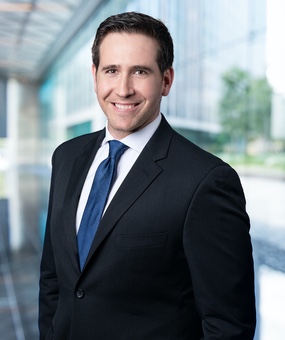
David Paletz
Trial Lawyer
David is a trial lawyer practicing in the areas of plaintiff’s medical malpractice, catastrophic personal injury, and wrongful death.
FAQs
After the loss of a loved one, it is understandable to feel overwhelmed. In the days and weeks that follow, it is important to preserve as much information and documentation as possible while focusing on your family’s well-being. If possible, gather photographs, incident reports, medical records, witness information, and any communications related to the event. Avoid repairing or disposing of vehicles, equipment, or other physical evidence that may be important later. Keep records of funeral and burial expenses, financial support the deceased provided, and the impact the loss has had on your family.
Insurance companies or investigators may contact surviving family members shortly after the incident. Before giving recorded statements or accepting any settlement offers, it is often helpful to speak with an attorney who can explain your rights and help protect important evidence. An experienced wrongful death attorney can help guide families through the legal process with care and compassion during a very difficult time.
Liability in a wrongful death case is proven by showing that another person, business, or entity acted negligently or wrongfully and that those actions caused the death. Evidence may include photographs, surveillance footage, witness statements, medical records, accident or incident reports, expert analysis, and documentation of unsafe conditions or conduct. Depending on the circumstances, additional evidence may include vehicle data, maintenance records, workplace safety records, phone records, or prior complaints involving the responsible party. In many cases, experts are used to help explain how the incident occurred and whether proper safety standards were followed. A thorough investigation is often critical because important evidence can disappear quickly after a serious incident.
Wrongful death claims are intended to compensate surviving family members for the financial and personal losses caused by the death of a loved one. Depending on the circumstances, damages may include funeral and burial expenses, the loss of financial support, loss of household services, and the value of future income and benefits the deceased would likely have provided. Family members may also recover compensation for the loss of love, companionship, care, guidance, affection, and emotional support. In some situations, a related survival action may also allow recovery for damages the deceased person suffered before passing away. Every case is different, and the value of a wrongful death claim depends on many factors, including the relationship between the family members and the deceased, the person’s age, health, earning history, and the circumstances surrounding the death.
Every wrongful death case is different, and the timeline can vary depending on the complexity of the case, the need for investigation, disputes about liability, and whether the matter resolves through settlement or litigation. In California, the deadline to file most wrongful death lawsuits is generally two years from the date of death. However, shorter deadlines may apply if a government agency or public entity is involved. Different rules can also apply in certain circumstances, including cases involving minors or delayed discovery of the cause of death.
Because these deadlines are important and evidence can become harder to obtain over time, it is a good idea to speak with an attorney as early as possible. An experienced lawyer can help preserve evidence, manage communications with insurance companies, and guide families through the legal process.
Insurance coverage can have a significant impact on the outcome of a wrongful death case. Important issues often include how much insurance coverage is available, whether multiple insurance policies may apply, and whether businesses, employers, property owners, or other parties may share responsibility for the death. Depending on the circumstances, coverage may come from auto insurance, commercial liability policies, homeowners insurance, employer policies, umbrella coverage, or other sources. In some cases, multiple defendants and insurance carriers may be involved.
Insurance companies often move quickly to investigate serious incidents and may attempt to limit financial exposure early in the process. Understanding all available sources of coverage is important before accepting any settlement offer. An experienced wrongful death attorney can help identify available insurance policies, investigate potential claims against responsible parties, and work to secure the full compensation available for surviving family members.
Related Practice Areas
Authoritative Resources
These official resources are starting points, not legal advice for your specific matter.
- California Law (leginfo), CCP §377.60 et seq. (wrongful death): statutory heirs and related survival/wrongful-death provisions—read surrounding sections.
- California Courts, Personal injury / accident: negligence case stages when death arises from an injury event.
- California Law (leginfo), Code of Civil Procedure: filing rules, discovery, and deadlines.
- California Law (leginfo), Civil Code: damages and tort principles often implicated in death cases.
- Los Angeles Superior Court, Civil: LA County civil filing and department information.