In Brief
A California car crash case is typically a negligence lawsuit seeking damages when a driver’s unreasonable conduct causes a collision and injuries. Liability usually focuses on duties under the Vehicle Code, speed, distance, signals, and roadway conditions. Recoverable damages may include medical expenses, lost income, and pain and suffering where liability is proven. Deadlines depend on defendants; claims against public entities may require early administrative steps.
First 24 hours
What to Do After a Crash
- Call 911 and get to safety. Request paramedics when anyone is hurt or when vehicles block live lanes on a freeway or arterial. Adrenaline masks pain; many serious injuries are not obvious at the scene.
- Do not negotiate cash-only deals at the scene. Quick cash rarely covers medical bills, lost work, or vehicle totals. Wait for police when appropriate and exchange insurance information.
- Document the scene thoroughly. Photograph all vehicles, damage, license plates, skid marks, traffic controls, road debris, and visible injuries. Note weather, lighting, and construction zones.
- Collect driver, passenger, and witness information. Names, phones, insurance cards, and employer information for commercial drivers. Witnesses often leave before CHP or LAPD arrive.
- Obtain the traffic collision report. Report numbers and agency names (CHP vs local police) matter for later claims. You can usually request copies through the investigating agency.
- Seek medical evaluation promptly. Same-day urgent care or ER visits create timelines insurers expect. Follow discharge instructions and keep appointments.
- Notify your insurer as required by policy. Many policies require prompt notice; UM/UIM rights can depend on timely reporting. Ask counsel before giving recorded statements to the other driver’s carrier.
- Preserve evidence. Do not repair vehicles until photos and inspection are complete if practicable. Save dashcam, doorbell, or business video before deletion policies apply.
- Track symptoms, work absences, and expenses. A simple journal helps connect the crash to later limitations.
- Consult counsel before signing releases or accepting checks. Initial offers often arrive before the full injury picture is known.
Why LA Car Crashes Are Different
Los Angeles County is built around the car. Daily life runs on the 405, 101, 110, and 5, plus surface streets that carry commuters, tourists, delivery fleets, and rideshare pickups at the same time. That mix produces rear-end chains on freeways, high-speed merges, red-light runners at wide intersections, and late-night impairment crashes when bars close in Hollywood, Downtown, and beach cities.
CHP collision reporting and statewide traffic safety data consistently show Los Angeles County among the highest-volume regions for injury crashes in California. NHTSA and federal safety research likewise treat urban congestion, distraction, and speed as persistent risk factors nationwide. Locally, Vision Zero and corridor-safety programs highlight streets where severe and fatal crashes concentrate, which often overlap with commuter routes through the Valley, South LA, and the Westside.
Insurance carriers serving this market commonly dispute liability using comparative fault themes and downplay injury severity when initial imaging looks normal. Prompt investigation preserves dashcam and doorbell video, business surveillance, event data recorder (“black box”) downloads when available, and witness statements before phones change and footage is overwritten. KTL represents injured drivers and passengers across Los Angeles County and prepares cases for trial when insurers stall or script lowball offers.
Results
-
$5 Million Verdict
After years of fighting for justice, our client has received a $5.175 million jury verdict in Contra Costa County. She suffered permanent spinal injuries after being struck by a distracted driver in a Trader Joe’s parking lot in 2017.
-
$1.975 Million Verdict
After the insurance carrier offered just $250,000, we were forced to take this case to trial. Last week, the jury delivered a $1,975,000 verdict at the Santa Monica Courthouse.
-
$750,000 Settlement
Policy limits settlement short of trial on a rear end motor vehicle collision case with minimal property damage, resulting in non-surgical spine and orthopedic issues for our clients.
Prior results do not guarantee similar outcomes. The outcome of any case depends on the specific facts and applicable law. Verdicts and settlements listed represent the gross amount before fees, costs, and liens.
Common Causes
Speeding and following too closely
Drivers who exceed safe speed for traffic or follow at insufficient distance cause a large share of freeway rear-end collisions. Sudden stops in congestion on the 405 or 101 leave little margin for error. Violations of basic speed and following-distance duties under the Vehicle Code can support negligence or negligence-per-se theories when causation is proven.
Distracted driving (phones, maps, screens)
Texting, apps, in-dash navigation, and handheld devices divert attention at merge points and intersections where reaction time matters most. California handheld-device restrictions exist because seconds of inattention produce lane departures and failure-to-yield crashes. Cell records and vehicle telematics sometimes document distraction when witnesses cannot.
DUI and drug impairment
Alcohol and drugs reduce judgment, reaction time, and lane control. Impaired driving cases may involve criminal proceedings separately from civil damages, and punitive damages theories are sometimes evaluated when statutory standards are met. Bars, events, and holiday weekends in LA corridors increase exposure.
Unsafe left turns and failure to yield
Left turns across oncoming traffic and unprotected signals cause T-bone collisions with high injury severity. Drivers misjudge gap distance or fail to yield to vehicles with the right-of-way. Intersection cameras and witness sight lines often decide these disputes.
Running red lights and stop signs
Rolling stops and signal violations produce broadside impacts at urban intersections. LAPD reporting and independent witnesses help when both drivers give conflicting accounts.
Fatigue and night driving
Long commutes, shift work, and drowsy driving contribute to lane drift and fixed-object collisions. Fatigue is harder to prove than alcohol but medical records, work schedules, and crash timing can support the narrative.
Poor weather and reduced visibility
Rain and smoke reduce traction and visibility on LA freeways and canyon roads. Drivers still must adjust speed and following distance to conditions; “weather” rarely excuses negligence by itself.
Common Injuries
Whiplash and cervical spine injuries
Rear-end and side impacts whip the neck through rapid flexion-extension, producing disc injuries, radiculopathy, and chronic pain even at moderate speeds. Early imaging may look normal while symptoms persist.
Concussion and traumatic brain injury
Head strikes on windows, steering wheels, or deployed airbags can cause concussion or moderate TBI. Cognitive fog, headaches, and sleep disruption may emerge after an unremarkable emergency visit. See Brain Injury for TBI-focused claims.
Herniated discs and spinal injury
Disc herniations and vertebral injuries can require injections, surgery, or long-term limitations. Severe cord involvement may qualify as catastrophic harm. See Spinal Injury when paralysis or surgical fusion is in play.
Fractures and orthopedic trauma
Ribs, wrists, ankles, and facial bones break in side impacts and airbag deployments. Open fractures and surgical hardware increase future care needs.
Psychological trauma
Anxiety, driving phobia, and PTSD symptoms are common after serious collisions, especially when occupants feared for their lives. Treatment records support non-economic damages when linked to the crash.
California Laws Drivers Break Most Often
Cal. Vehicle Code duties
Speed, turns, signals, right-of-way, DUI, and equipment rules define how drivers must behave on LA freeways and surface streets. Proven violations can support negligence per se or strong circumstantial evidence of breach when linked to the collision mechanism.
Cal. Civ. Code §1714 (negligence)
Everyone is responsible for injuries caused by lack of ordinary care. Auto cases still require duty, breach, causation, and damages, but Vehicle Code duties often frame what “reasonable care” meant at the intersection or merge where the crash occurred.
CCP §335.1 (limitations)
Many negligence personal injury claims must be filed within two years of accrual. Property-damage-only claims may follow different periods. Calendar early and evaluate tolling with counsel.
Gov. Code §911.2 (government claims)
Claims against public entities for dangerous roadways, traffic signal timing, or municipal vehicles often require an administrative claim within six months before suit. Missing the window can bar recovery regardless of injury severity.
Proposition 213 and uninsured plaintiffs
When an uninsured plaintiff sues another motorist, non-economic damages may be limited in many circumstances. Insurance status interacts with recovery categories; verify how your status affects pain-and-suffering exposure before settling.
Who Can Be Liable
Negligent drivers
The at-fault operator is the primary defendant in most crash cases. Auto liability policies respond when coverage exists and exclusions do not apply.
Vehicle owners (permissive use)
Owners who allow others to drive their vehicles may be liable when statutory and factual elements are met, even if they were not in the car.
Employers and commercial operators
Employees acting within the scope of employment may expose employers to respondeat superior liability. Delivery fleets, contractors, and company cars often carry commercial policies with higher limits than personal minimums.
Rideshare and transportation networks
Uber, Lyft, and similar services layer coverage by trip period. See Uber & Lyft when app status and insurer denials are in dispute.
Trucking carriers
Tractor-trailers and commercial carriers involve federal safety rules and layered policies. See Trucking Crashes for FMCSR and carrier documentation issues.
Government entities
Dangerous roadway design, signal timing, or maintenance failures may implicate public entities if timely government claims are presented and immunity defenses are overcome.
Compensation Overview
Economic Damages
Past and future medical expenses, rehabilitation, prescriptions, mileage to treatment, lost wages, and diminished earning capacity when supported by records and experts.
Non-Economic Damages
Pain and suffering, emotional distress, scarring, and loss of enjoyment of life where liability and proof support these categories. Proposition 213 may limit non-economic recovery for uninsured plaintiffs suing other drivers in many settings.
Property damage
Vehicle repair or total-loss value, rental cars, and personal property in the vehicle. Property claims sometimes proceed on a faster track than injury components.
Punitive damages
Civ. Code §3294 allows exemplary damages only when malice, oppression, or fraud is proven by clear and convincing evidence. DUI, hit-and-run, or conscious disregard theories are evaluated case by case, not assumed.
Deadlines
California’s statutes of limitations are strict. Missing one is almost always fatal to a case, no matter how strong the underlying facts.
| Claim | Typical starting point |
|---|---|
| Injury vs. private party | Often two years under CCP §335.1 for many negligence claims; confirm accrual and tolling. |
| Property damage only | Different limitations may apply when only property is damaged; calendar separately. |
| Government tort claims | Short presentation windows under the Government Claims Act; evaluate Gov. Code §911.2 early. |
| UM / UIM contractual claims | Policy notice and contractual deadlines can be shorter than tort SOLs; review declarations and endorsements. |
Insert firm-approved deadline chart after intake. Deadlines are fact-specific; this table is a planning aid, not legal advice.
Comparative Fault
Pure comparative negligence
California follows pure comparative fault: your recovery is reduced by your percentage of responsibility but is not automatically barred because you share fault. Insurers often assign exaggerated percentages based on speculation about speed, lane changes, or distraction.
How fault is proved
Negligence requires duty, breach, causation, and damages. Breach may be shown through Vehicle Code violations, following too closely, failure to yield, or impairment evidence tied to the crash mechanism. Scene measurements, EDR data, and reconstruction help when stories conflict.
Insurance narratives vs. evidence
Carriers script comparative fault early in recorded statements. Objective proof such as traffic video, independent witnesses, and medical timing can rebut generic “you should have seen it” themes common in Los Angeles intersection disputes.
Insurance Coverage Issues
UM and UIM coverage
Uninsured and underinsured motorist provisions on your auto policy may apply when the at-fault driver has no insurance or inadequate limits. Notice, arbitration clauses, and anti-stacking language require careful review before you waive rights.
Multiple policies and households
Stacking, resident-relative rules, and excess umbrellas can change available limits when several household vehicles carry coverage.
Rideshare and commercial layers
App-on versus app-off periods change which carrier responds. Coordinate with Uber & Lyft analysis when TNC denials cite “personal use only.”
MedPay, health insurance, and liens
MedPay can fund early treatment but may coordinate with health plans. Medicare, Medi-Cal, and ERISA liens affect net settlement; resolve liens before disbursement.
Low policy limits and excess carriers
Minimum-limit policies are common in LA County. Investigate employer, umbrella, and additional insured endorsements when harms exceed primary limits.
How KTL Handles Crash Cases
- Investigation-first. We prioritize scene evidence, video, EDR downloads, and witness interviews before memories fade and cameras overwrite.
- Medical chronology and damages modeling. Organized treatment timelines connect crash mechanics to symptoms insurers try to minimize as “soft tissue only.”
- Coverage mapping. We identify every policy layer, UM/UIM path, and government claim when roadway defects or public vehicles are involved.
- Negotiation from trial posture. Carriers price risk against firms they believe will try cases in Los Angeles Superior Court; preparation assumes trial even when settlement is likely.
- Experts when they move the needle. Accident reconstruction, human factors, and vocational specialists are reserved for disputes where they change liability or damages meaningfully.
“We try cases. That is what we are built for, and it is what makes our settlement offers higher than firms that won’t see the inside of a courtroom.”
Daniel Kramer, Founding Partner
Attorneys Who Handle Your Case at KTL

Daniel Kramer
Founding Partner
Daniel Kramer is a trial lawyer who specializes in representing families and individuals involved in catastrophic personal injury and wrongful death matters, as well as employment discrimination and retaliation lawsuits.

Teresa Johnson
Partner, Trial Lawyer
Teresa is a trial lawyer and partner at Kramer Trial Lawyers practicing in the areas of plaintiff’s personal injury, wrongful death and employment litigation.
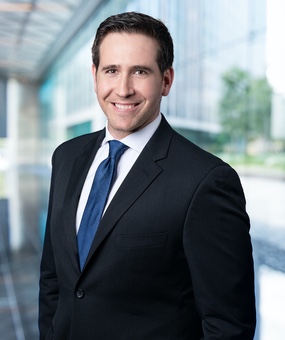
David Paletz
Trial Lawyer
David is a trial lawyer practicing in the areas of plaintiff’s medical malpractice, catastrophic personal injury, and wrongful death.
FAQs
After a car crash, your first priority should be your health and safety. Call 911 and seek medical attention, even if your injuries seem minor at first. If you are able, take photos of the scene, vehicle damage, road conditions, weather, and any hazards. Gather contact information for witnesses and ask nearby businesses to preserve surveillance footage before it is erased. Be sure to keep damaged items such as a helmet, shoes, or vehicle parts.
Notify your insurance company as soon as possible and open all available coverages, including liability, Medical Payments, and UM/UIM coverage. It is usually best to avoid giving a recorded statement to the other driver’s insurance company until the facts are clear and you understand the full extent of your injuries and treatment. Keep track of your injuries, medical visits, expenses, lost wages, and any visible changes such as bruising or swelling. California’s increased minimum auto liability limits may also affect available coverage and settlement options in serious cases. An experienced attorney can help you protect your rights, navigate the claims process, and pursue the compensation you deserve.
Liability is proven by gathering evidence that helps explain how the crash happened and who was at fault. Helpful evidence can include photos and videos from the scene, police reports, witness statements, and measurements or damage patterns. In some cases, digital evidence, such as vehicle data, 911 recordings, or cell phone records, can also help show important details like speed, braking, distraction, or whether a vehicle was properly maintained.
Depending on the circumstances of your case, you may be able to recover compensation for both financial losses and the personal impact the injuries have had on your life. This can include medical expenses, lost income, reduced earning ability, transportation costs, household assistance, and the cost of modifying a home or vehicle after a serious injury.
You may also recover damages for pain and suffering, emotional distress, and the ways the injuries have affected your daily life, relationships, and ability to enjoy activities you once could. There is no single formula for calculating the value of a case. Every situation is different, and a fair settlement or verdict should take into account the full extent of your losses both now and in the future.
Every car crash case is different, so the timeline can vary widely. Some claims are resolved through insurance negotiations before a lawsuit is filed, while others require litigation and may ultimately be decided through settlement or trial. Factors such as the severity of the injuries, ongoing medical treatment, disputes about fault, and court scheduling can all affect how long a case takes.
In California, the deadline to file a lawsuit is generally two years from the date of the crash, but shorter deadlines may apply in certain situations—especially if a government agency or public entity is involved. Different rules can also apply for minors and other special circumstances.
Because important deadlines can affect your rights, it is a good idea to speak with an attorney early in the process. An experienced lawyer can help guide you through the claims process, protect key evidence, and make sure all filing deadlines are met.
Insurance coverage can play a major role in the outcome of a car crash case. Important issues often include how much insurance coverage is available, whether multiple policies may apply, and whether the at-fault driver has enough coverage to fully compensate for the injuries and losses involved. In addition to the other driver’s liability coverage, your own policy may provide important benefits through Medical Payments coverage or Uninsured/Underinsured Motorist (UM/UIM) coverage. These coverages can help pay for medical expenses or provide compensation when the at-fault driver has little or no insurance. If the at-fault driver was working at the time of the incident, there could be additional coverage through their employer.
Coverage disputes can also arise over policy limits, exclusions, comparative fault, rideshare use, commercial vehicles, or whether additional parties may share responsibility for the crash. Because insurance companies often work to minimize damages, it is important to understand all available sources of coverage. An experienced attorney can help identify available insurance policies, navigate coverage issues, and work to maximize the compensation available for your claim.
Related Practice Areas
Authoritative Resources
These official resources are starting points, not legal advice for your specific matter.
- California Vehicle Code (leginfo): duties of drivers, speed, DUI, and equipment rules.
- CHP, SWITRS / collision data: statewide traffic collision records and reporting context.
- NHTSA, Roadway safety: national crash statistics and safety programs.
- California Courts, Personal injury / accident: civil injury claims and court process overview.
- Los Angeles Superior Court, Civil: LA County civil filing and department information.