In Brief
A California drunk driving injury case is a civil negligence lawsuit against a driver who operated a vehicle while impaired by alcohol or drugs, seeking compensatory damages for medical bills, lost income, and pain and suffering. Criminal DUI prosecution is separate: a conviction may help prove intoxication but does not automatically pay your bills. Punitive damages may be pursued under Civ. Code §3294 when defendants act with malice, oppression, or fraud as defined by law, though intoxication alone may not suffice. Narrow dram shop liability against alcohol vendors exists for furnishing obviously intoxicated minors under Bus. & Prof. Code §25602.1 in limited circumstances. Deadlines follow personal injury rules, including potential government claims and UM/UIM notice requirements.
First 24 hours
What to Do After a DUI Crash
- Call 911 and get medical evaluation. Impaired-driver crashes often cause serious harm; accept transport when paramedics recommend it.
- Cooperate with law enforcement on scene facts. Provide truthful accounts to officers; obtain report numbers and agency names for later civil use.
- Document the scene and vehicles. Photograph damage, skid marks, road debris, and lighting if you can do so safely.
- Identify witnesses and businesses with video. Bars, restaurants, and doorbell cameras may capture the driver before the crash.
- Do not accept quick cash settlements at the scene. Releases may waive unknown injury categories.
- Request traffic collision reports. CHP and LAPD reports anchor liability narratives insurers cannot easily rewrite.
- Preserve toxicology and criminal case information. BAC results and plea outcomes may support civil proof when admissible.
- Notify your insurer for UM/UIM if the impaired driver is uninsured or underinsured. Policy notice deadlines are contractual and short.
- Avoid recorded statements to the other carrier without counsel. Adjusters train for admissions on fault and injury severity.
- Consult counsel on punitive damages and coverage before signing releases. Punitive exposure may be uninsured; strategy affects who to sue and when.
Why DUI Collisions Persist in LA
Los Angeles nightlife corridors from Hollywood and Downtown to beach cities and the Valley produce late-night DUI crashes when bars close and impaired drivers enter freeways and arterials. CHP collision reporting and statewide traffic safety data consistently show impairment as a leading factor in serious injury crashes across California. NHTSA and federal safety programs treat alcohol- and drug-impaired driving as persistent national risks, especially when combined with speed on corridors like the 101 and 405.
LAPD and CHP enforcement generate criminal cases, breath and blood tests, and collision reports that may assist civil discovery when lawfully obtained. Insurers still dispute causation and comparative fault, and punitive damages may be excluded from coverage, making asset and policy investigation important. KTL represents victims across Los Angeles County when impaired drivers cause preventable harm.
Common Crash Patterns
High-BAC driving on freeways and arterials
Extreme impairment slows reaction time and judgment on high-speed LA freeways, producing rear-end, sideswipe, and fixed-object collisions.
Drug and alcohol combinations
Prescription sedatives, cannabis, and stimulants mixed with alcohol complicate toxicology but do not excuse driving unfit to operate safely.
Wrong-way and head-on entries
Wrong-way freeway entries from confused or impaired drivers cause catastrophic head-on trauma, often at night.
Rideshare and employer liability
Impaired commercial or app-based drivers may trigger employer or TNC coverage layers. See Uber & Lyft when trip status is disputed.
Underage furnishing (narrow vendor liability)
Bars that illegally serve obviously intoxicated minors may face limited dram shop exposure under California’s narrow statute.
Injuries
Fractures and orthopedic trauma
High-speed DUI impacts break ribs, limbs, and facial bones, often requiring surgery and hardware.
Traumatic brain injury
Head strikes cause concussion through severe TBI. See Brain Injury when cognitive symptoms persist after the crash.
Spinal injuries
Disc herniations and cord injuries may be permanent. See Spinal Injury when paralysis or fusion is required.
Internal injuries and organ damage
Steering wheel and restraint forces can damage organs despite airbag deployment.
Wrongful death
Fatal DUI crashes trigger heir standing and survival remedies. See Wrongful Death when a family member was killed.
Psychological trauma
Survivors and witnesses may develop PTSD, especially after violent impacts or fatalities.
California Laws Involving Impaired Driving
Vehicle Code §23152 (DUI)
It is unlawful to drive under the influence of alcohol or drugs or with excessive BAC. Violations inform criminal cases and may support negligence per se or strong circumstantial breach in civil litigation.
Cal. Civ. Code §1714 (negligence)
Civil recovery still requires duty, breach, causation, and damages even when the driver was also prosecuted.
Civ. Code §3294 (punitive damages)
Exemplary damages require clear and convincing proof of malice, oppression, or fraud; impairment alone may not meet the standard.
Bus. & Prof. Code §25602.1 (limited dram shop)
California allows narrow vendor liability for furnishing alcohol to obviously intoxicated minors in specific circumstances; social host liability for adults is generally limited.
CCP §335.1 (limitations)
Most injury claims against private parties must be filed within two years of accrual.
Gov. Code §911.2 (government claims)
Crashes involving public vehicles or dangerous public roadways may require six-month administrative claims.
Who Can Be Liable (Drivers, Hosts, Businesses)
Impaired drivers
The intoxicated operator is the primary defendant; auto liability policies respond when coverage exists.
Employers and commercial operators
Employees driving within the scope of employment may expose employers to respondeat superior liability with commercial policy limits.
Alcohol vendors (narrow)
Bars and restaurants face limited exposure under §25602.1 for minor-service scenarios meeting statutory elements.
Rideshare and TNC drivers
App-on versus app-off periods change available coverage. See Uber & Lyft when insurers dispute trip status.
Government entities
Dangerous roadway design claims are rare and require timely government claims when facts support them.
Compensation and Punitive Damages Standards
Economic Damages
Medical bills, rehabilitation, lost wages, diminished earning capacity, and property damage when proved.
Non-Economic Damages
Pain and suffering, emotional distress, and loss of enjoyment of life subject to comparative fault reductions.
Punitive Damages
Civ. Code §3294 allows exemplary damages only when statutory misconduct is proven by clear and convincing evidence.
Wrongful death damages
Heirs may pursue additional categories when a DUI crash is fatal.
Spousal derivative claims
Loss of consortium may be available in qualifying circumstances.
Deadlines
California’s statutes of limitations are strict. Missing one is almost always fatal to a case, no matter how strong the underlying facts.
| Claim / context | Typical starting point |
|---|---|
| Injury vs. private party | Often two years under CCP §335.1. |
| Government tort claims | Six-month presentation under Gov. Code §911.2 for many injury claims. |
| UM / UIM contractual claims | Policy notice and arbitration deadlines can be shorter than tort SOLs. |
Insert firm-approved deadline chart after intake. Deadlines are fact-specific; this table is a planning aid, not legal advice.
Comparative Fault
Pure comparative negligence
Your recovery is reduced by your percentage of fault but not automatically barred because you share responsibility.
Impairment does not eliminate shared fault arguments
Insurers may claim you failed to see the impaired driver or were speeding; objective evidence rebuts speculation.
Passenger cases
Passengers rarely share fault unless they contributed to distraction or vehicle control.
Criminal vs. civil fault
Acquittal or conviction in criminal court does not single-handedly decide civil comparative fault percentages.
Insurance Considerations
Punitive damages exclusions
Many policies exclude coverage for punitive awards; collectibility against personal assets may matter.
UM and UIM
Uninsured and underinsured motorist coverage is critical in LA County when impaired drivers lack adequate limits.
Low minimum policies
Minimum liability limits rarely cover serious harm; investigate umbrellas, employers, and household policies.
MedPay and health liens
Early treatment funding interacts with Medicare, Medi-Cal, and ERISA liens at settlement.
Hit-and-run provisions
Contract language defines notice and investigation duties when the impaired driver flees.
How KTL Handles DUI Injury Cases
- Parallel criminal and civil timelines. We preserve civil evidence without waiting for prosecution to finish when deadlines require action.
- Toxicology and reconstruction. We use BAC results, cell records, and experts when impairment and causation are disputed.
- Punitive damages evaluation. We assess whether standards under §3294 are met and whether recovery is collectible outside insurance.
- UM/UIM and coverage mapping. We identify every policy layer when impaired drivers are uninsured or underinsured.
- Trial posture in Los Angeles Superior Court. Carriers respond when counsel prepares serious injury DUI cases for trial.
“We try cases. That is what we are built for, and it is what makes our settlement offers higher than firms that won’t see the inside of a courtroom.”
Daniel Kramer, Founding Partner
Attorneys Who Handle Your Case at KTL

Daniel Kramer
Founding Partner
Daniel Kramer is a trial lawyer who specializes in representing families and individuals involved in catastrophic personal injury and wrongful death matters, as well as employment discrimination and retaliation lawsuits.

Teresa Johnson
Partner, Trial Lawyer
Teresa is a trial lawyer and partner at Kramer Trial Lawyers practicing in the areas of plaintiff’s personal injury, wrongful death and employment litigation.
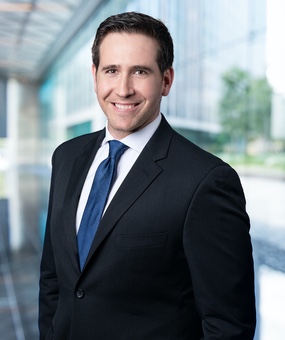
David Paletz
Trial Lawyer
David is a trial lawyer practicing in the areas of plaintiff’s medical malpractice, catastrophic personal injury, and wrongful death.
FAQs
After a drunk driving accident, seek immediate medical attention and contact law enforcement. DUI-related crashes often involve serious injuries and criminal investigations. If possible, document the scene by taking photographs, gathering witness information, and preserving evidence related to the collision.
Keep records of medical treatment, lost income, and the ways the injuries affect your daily life. An experienced attorney can help preserve evidence, coordinate with ongoing criminal proceedings, and pursue compensation for your injuries.
Liability in a drunk driving case is often established through police reports, DUI arrests, chemical test results, witness testimony, surveillance footage, and accident reconstruction evidence. Evidence showing intoxication, reckless driving, or traffic violations can help establish negligence and liability.
Victims of drunk driving crashes may be entitled to compensation for medical expenses, lost wages, future treatment needs, rehabilitation, pain and suffering, and emotional distress. In some cases involving especially reckless conduct, punitive damages may also be available under California law.
Drunk driving cases may involve both criminal proceedings and civil injury claims, which can affect the timeline of the case.
California personal injury claims are generally subject to a two-year filing deadline.
Drunk driving claims may involve auto insurance, uninsured or underinsured motorist coverage, employer liability, or additional third-party liability in certain situations. Insurance disputes often involve policy limits, comparative fault arguments, or the extent of injuries.
Related Practice Areas
Authoritative Resources
These official resources are starting points, not legal advice for your specific matter.
- Los Angeles Superior Court, Civil: LA County civil filing and department information.
- California Vehicle Code (leginfo): duties of drivers, speed, DUI, and equipment rules.
- CHP, SWITRS / collision data: statewide traffic collision records and reporting context.
- NHTSA, Roadway safety: national crash statistics and safety programs.
- California Courts, Personal injury / accident: civil injury claims and court process overview.