In Brief
A California motorcycle accident case is typically a negligence lawsuit seeking damages when a driver, business, government entity, or other party’s unreasonable conduct causes a collision injuring a rider or passenger. Motorcyclists must follow Vehicle Code duties, including lane-splitting parameters under Veh. Code §21658.1 when performed lawfully. Recoverable damages may include medical expenses, rehabilitation, lost income, diminished earning capacity, and pain and suffering where liability is proven. Comparative fault may reduce recovery by the rider’s percentage of responsibility. Claims against public entities for roadway defects often require administrative claims under Gov. Code §911.2 within six months.
First 24 hours
What to Do After a Motorcycle Crash
- Call 911 and get to safety. Request paramedics when anyone is hurt. Move out of live lanes if you can do so safely.
- Do not negotiate cash-only deals at the scene. Quick cash rarely covers medical bills, bike replacement, or lost work.
- Document the scene thoroughly. Photograph all vehicles, bike damage, skid marks, road debris, traffic controls, and visible injuries.
- Obtain driver, passenger, and witness information. Witnesses often leave before CHP or LAPD arrive.
- Request a traffic collision report. Note whether CHP or local police responded and obtain report numbers for later requests.
- Seek medical evaluation promptly. Same-day care creates timelines insurers expect; follow discharge instructions.
- Preserve the motorcycle and gear. Do not repair the bike until photos and inspection are complete when practicable. Save helmet and riding gear.
- Notify your insurer as required by policy. UM/UIM rights may depend on timely notice; ask counsel before recorded statements to the other driver’s carrier.
- Preserve video and telematics. Dashcam, doorbell, business surveillance, and helmet camera footage delete quickly.
- Consult counsel before signing releases or accepting checks. Initial offers often arrive before the full injury picture is known.
Why Motorcycle Crashes Are Severe in LA
Los Angeles riders face a uniquely hostile mix of freeway commuting, canyon roads, and dense urban corridors where SUVs, delivery vans, and rideshare vehicles merge without checking blind spots. Motorcyclists lack crumple zones and seat belts; even low-speed collisions can produce road rash, fractures, and head injuries that insurers later minimize as “rider risk.”
California permits lane splitting when done safely under Veh. Code §21658.1, but legality does not stop carriers from assigning exaggerated fault. “I did not see the motorcycle” is a recurring theme at intersections on Ventura Boulevard, Pacific Coast Highway, and the 101 through the Valley. Defense counsel exploits jury bias unless visibility, speed, and right-of-way are reconstructed with objective evidence.
CHP collision reporting and traffic safety research consistently treat Los Angeles County as a high-volume region for injury crashes. Road debris, construction zones, and poorly maintained pavement add hazards unique to two-wheel stability. UM/UIM coverage becomes critical when at-fault drivers carry minimum limits.
Riders commuting through Downtown, riding PCH on weekends, or splitting lanes on the 101 need counsel who understand both Vehicle Code duties and jury bias. We preserve scene evidence, helmet and gear condition, and medical timelines that connect crash forces to injuries carriers dismiss as minor. Canyon curves, freeway merges, and urban left-turn conflicts each demand fact-specific reconstruction. KTL represents riders across Los Angeles County and prepares cases for trial when insurers blame the motorcyclist unfairly.
Results
-
$1.4 Million
The Manzo family was picking up a pizza for dinner when a Toyota RAV4 crashed through the glass windows in the front of the restaurant and impacted directly with the mother and two young children.
-
$1.8 Million
A pharmacy technician was on his way to return a bag to a long time customer who had forgotten some items at the store when he rear-ended Dr. Theis in Pacific Palisades.
-
$225,000
A driver who failed to pay attention to slowing traffic ahead of her rear-ended our client’s vehicle on the 405 Freeway.
Prior results do not guarantee similar outcomes. The outcome of any case depends on the specific facts and applicable law. Verdicts and settlements listed represent the gross amount before fees, costs, and liens.
Common Crash Causes
Left-turn failures across the rider’s path
Drivers turning left at signals and driveways misjudge motorcycle speed and gap distance, producing broadside impacts with high injury severity. Witness sight lines and signal timing often decide fault.
Unsafe lane changes and merges
Drivers who fail to signal or check blind spots sideswipe riders on freeways and arterials. Cell phone distraction at merge points is a recurring factor documented in collision reports.
Door zone and parking-lot conflicts
Motorists opening doors into travel lanes and backing from parking spaces without looking strike riders in urban retail corridors and beach communities.
Rear-end and following-too-closely
Sudden stops in congestion on the 405 and 101 leave riders vulnerable when drivers follow at insufficient distance. Moderate impacts can eject riders.
Impaired and drowsy drivers
Alcohol, cannabis, and fatigue reduce perception of smaller vehicles. Criminal DUI proceedings may run parallel to civil claims; punitive theories are evaluated case by case.
Road defects and debris
Potholes, gravel, construction plates, and fallen cargo can cause loss of control. Government entities may be liable when timely claims are presented and dangerous condition standards are met.
Common Injuries
Road rash and soft-tissue trauma
Abrasions from sliding on pavement may require debridement, skin grafts, and infection monitoring. Scarring affects non-economic damages when documented.
Fractures and orthopedic injuries
Wrists, collarbones, femurs, and ankles absorb impact when riders are thrown. Open fractures increase surgical needs and recovery time.
Traumatic brain injury
DOT-compliant helmets reduce but do not eliminate concussion risk. Cognitive symptoms may emerge after a normal emergency CT. See Brain Injury for TBI-focused claims.
Lower-extremity and spinal injury
Leg crush injuries and vertebral fractures can cause long-term mobility limits. See Spinal Injury when cord involvement or fusion is in play.
California Laws for Motorcycles
Cal. Vehicle Code motorcycle operation
Speed, turns, signals, lane use, and equipment rules define rider and driver duties. §21658.1 addresses lane splitting parameters that inform both duties and comparative fault arguments.
Cal. Civ. Code §1714 (negligence)
Everyone is responsible for injuries caused by lack of ordinary care. Motorcycle cases require duty, breach, causation, and damages, often supported by Vehicle Code violations tied to the crash mechanism.
CCP §335.1 (limitations)
Many negligence personal injury claims must be filed within two years of accrual. Calendar early and evaluate tolling with counsel.
Gov. Code §911.2 (government claims)
Dangerous roadway or public-property claims require administrative presentation within six months in many cases before suit.
Helmet and equipment duties
Helmet requirements under the Vehicle Code may factor into mitigation arguments for head injuries but do not automatically bar recovery against a negligent driver who caused the collision.
Who Can Be Liable
Negligent automobile drivers
The at-fault motorist is the primary defendant in most rider injury cases. Auto liability policies respond when coverage exists.
Vehicle owners and employers
Owners who permit negligent drivers and employers whose staff drive in scope may expose commercial policies with higher limits than personal minimums.
Commercial carriers and fleets
Delivery trucks, contractors, and company vehicles involved in motorcycle collisions may trigger FMCSR and commercial insurance layers.
Government entities
Caltrans, cities, and counties may be liable for roadway defects when claim presentation deadlines are met and immunity defenses are overcome.
Manufacturers (narrow)
Defective tires, brakes, or components may support product theories when facts warrant separate from driver negligence.
Compensation
Economic Damages
Past and future medical expenses, rehabilitation, lost wages, diminished earning capacity, and motorcycle repair or replacement when supported by proof.
Non-Economic Damages
Pain and suffering, scarring, emotional distress, and loss of enjoyment of riding and daily life where liability is established. Proposition 213 may limit non-economic recovery for uninsured plaintiffs suing other motorists in many settings.
Punitive Damages
Civ. Code §3294 allows exemplary damages only when malice, oppression, or fraud is proven by clear and convincing evidence. DUI and hit-and-run contexts are evaluated case by case.
Deadlines
| Claim / context | Typical starting point |
|---|---|
| Injury vs. private party | Often two years under CCP §335.1; confirm accrual. |
| Government roadway defect | Six-month claim presentation under Gov. Code §911.2 for many tort claims. |
| UM / UIM contractual claims | Policy notice and arbitration deadlines may be shorter than tort SOLs; review declarations. |
Insert firm-approved deadline chart after intake. Deadlines are fact-specific; this table is a planning aid, not legal advice.
Comparative Fault and Rider Bias
Rider bias in insurance narratives
Carriers assign fault for lane splitting, speed, or gear choices without objective proof. Reconstruction, sight-line analysis, and CHP diagrams rebut generic blame.
Pure comparative negligence
California reduces recovery by the rider’s fault percentage but does not automatically bar claims because the rider shares responsibility (Li v. Yellow Cab, 13 Cal.3d 804 (1975)).
Helmet and gear arguments
Non-use may affect head-injury mitigation arguments but does not excuse a driver who failed to yield or merged unsafely.
Multiple defendants
When several drivers contribute, fault is allocated among all negligent parties at trial.
Insurance (UM/UIM especially)
UM and UIM coverage
Uninsured and underinsured motorist provisions are critical when at-fault drivers carry minimum limits common in LA County. Notice and arbitration clauses require careful review.
Health insurance liens
Medi-Cal, Medicare, and ERISA plans assert liens affecting net settlement; resolve before disbursement.
Low policy limits
Minimum policies may not cover severe rider injuries; investigate employer, umbrella, and additional insured layers.
Recorded statements
Carriers script comparative fault in early interviews; consult counsel before giving detailed statements.
How KTL Handles Motorcycle Cases
- Bias-aware investigation. We document visibility, lane position, and lawful lane splitting before insurers harden blame-the-rider narratives.
- Physics-based timelines. Accident reconstruction and speed analysis when disputes turn on gap distance and reaction time.
- Coverage mapping. UM/UIM, commercial, and government layers are identified early so limits match injury severity.
- Medical chronology. Treatment timelines connect crash mechanics to injuries insurers label minor.
- Trial posture. Preparation assumes Los Angeles Superior Court trial when carriers undervalue rider harm.
“We try cases. That is what we are built for, and it is what makes our settlement offers higher than firms that won’t see the inside of a courtroom.”
Daniel Kramer, Founding Partner
Attorneys Who Handle Your Case at KTL

Daniel Kramer
Founding Partner
Daniel Kramer is a trial lawyer who specializes in representing families and individuals involved in catastrophic personal injury and wrongful death matters, as well as employment discrimination and retaliation lawsuits.

Teresa Johnson
Partner, Trial Lawyer
Teresa is a trial lawyer and partner at Kramer Trial Lawyers practicing in the areas of plaintiff’s personal injury, wrongful death and employment litigation.
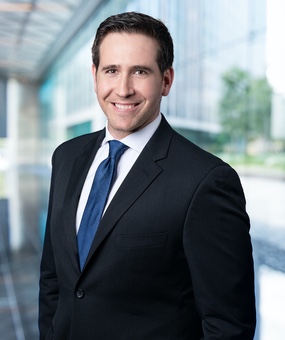
David Paletz
Trial Lawyer
David is a trial lawyer practicing in the areas of plaintiff’s medical malpractice, catastrophic personal injury, and wrongful death.
FAQs
After a motorcycle accident, seek immediate medical care even if injuries initially seem minor. Motorcycle crashes often cause severe injuries, including fractures, road rash, spinal trauma, and traumatic brain injuries.
If possible, contact law enforcement, gather witness information, and take photographs of the scene, vehicles, roadway conditions, and visible injuries. Preserve your helmet, protective gear, and damaged motorcycle as evidence.
Liability is proven through evidence showing how the collision occurred and who acted negligently.
Helpful evidence may include accident reports, witness statements, surveillance footage, vehicle data, photographs, and accident reconstruction analysis. Common causes of motorcycle accidents include unsafe lane changes, distracted driving, speeding, and failure to yield.
Motorcycle accident victims may be entitled to compensation for medical expenses, lost wages, rehabilitation, future care needs, property damage, pain and suffering, and reduced earning ability. Severe motorcycle crashes often result in long-term or catastrophic injuries.
The timeline depends on the severity of the injuries, insurance disputes, and whether litigation becomes necessary.
Most California motorcycle accident claims generally must be filed within two years of the crash.
Motorcycle accident claims may involve liability insurance, uninsured or underinsured motorist coverage, umbrella policies, or employer coverage. Insurance companies sometimes attempt to unfairly blame motorcyclists for collisions, making thorough investigation important.
Related Practice Areas
Authoritative Resources
These official resources are starting points, not legal advice for your specific matter.
- California Vehicle Code (leginfo): duties of drivers, speed, DUI, and equipment rules.
- CHP, SWITRS / collision data: statewide traffic collision records and reporting context.
- NHTSA, Roadway safety: national crash statistics and safety programs.
- California Courts, Personal injury / accident: civil injury claims and court process overview.
- Los Angeles Superior Court, Civil: LA County civil filing and department information.